How Glen Mills Business Owners Can Stop Mold from Coming Back
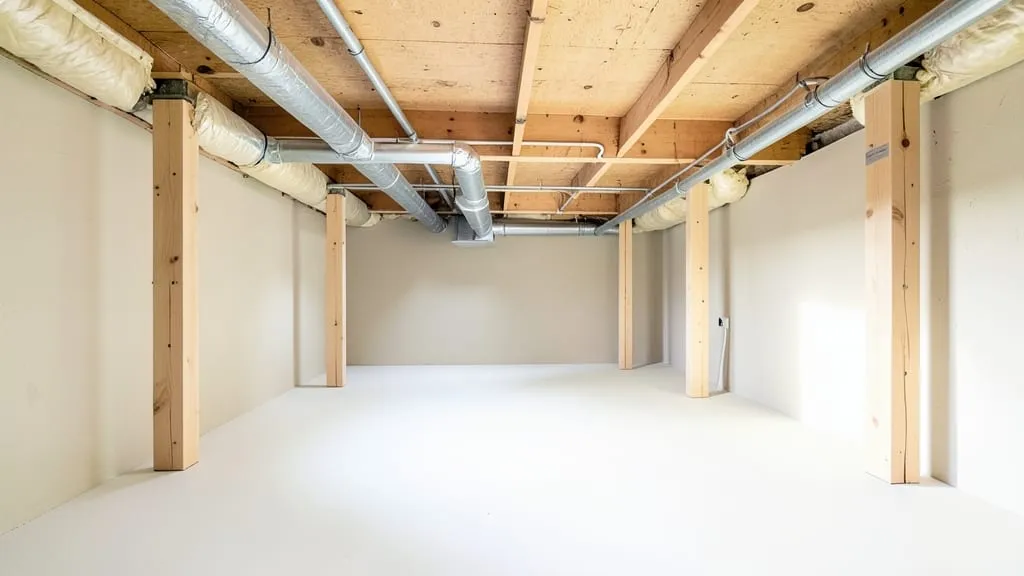
Recurring mold in Glen Mills commercial spaces isn’t just unsightly—it’s a sign of unresolved moisture issues. We help business owners break the cycle with targeted remediation and prevention strategies tailored to our region’s humid summers and wet springs.
Why Mold Keeps Returning in Commercial Properties
Mold thrives where moisture lingers. In Glen Mills, poor drainage around foundations, leaky roofs, or faulty HVAC systems often create the perfect conditions for spores to regrow after remediation.
Common culprits include hidden water intrusion in walls, chronic humidity in basements or crawl spaces, and condensation in ductwork. Without addressing these, mold will return within weeks or months.
The Role of Humidity in Glen Mills’ Climate
Our area’s high humidity—especially in summer—accelerates mold growth. Indoor humidity above 60% for extended periods can sustain spores even after professional removal.
Businesses near the Brandywine Creek or in older buildings with poor ventilation are particularly vulnerable. Dehumidifiers and proper airflow are non-negotiable for long-term control.
Ideal indoor humidity for mold prevention is 30–50%. Above 60% risks regrowth, even in treated spaces.
HVAC Systems: A Hidden Mold Breeding Ground
HVAC ducts in Glen Mills offices, retail spaces, or warehouses often harbor mold if not maintained. Condensation in ductwork or clogged drain pans creates damp environments where spores spread through airflow.
Regular inspections and HEPA filtration upgrades can prevent spores from recirculating. We often find mold in systems serving Media, Chadds Ford, and Chester Heights businesses with similar climate challenges.
Water Intrusion vs. Humidity: Key Differences
Not all moisture problems are the same. Water intrusion (leaks, flooding) requires immediate repair, while chronic humidity demands ongoing control. Both can cause recurring mold if left unchecked.
| Factor | Water Intrusion | Chronic Humidity |
|---|---|---|
| Source | Leaks, floods, poor grading | Poor ventilation, high outdoor humidity |
| Detection | Visible water, stains, musty odors | Condensation, high RH readings, no visible leaks |
| Solution | Repair leaks, improve drainage, dry materials | Dehumidifiers, vapor barriers, airflow improvements |
| Risk of Recurrence | High if source not fixed | High if humidity not controlled |
Critical Areas for Mold Prevention in Glen Mills Businesses
Basements and crawl spaces in older buildings (common in Concordville, Garnet Valley, and Thornton) are prime targets. Vapor barriers and encapsulation can block ground moisture.
Attics often trap heat and humidity, leading to condensation. Proper insulation and ventilation—especially in roof valleys—are key. We’ve seen this issue frequently in West Chester and Broomall properties too.
Restrooms, kitchens, and break rooms need exhaust fans and routine checks for leaks under sinks or behind appliances.
Prevention Hotspots to Inspect
- Basements and crawl spaces for vapor barriers and drainage
- Attics for ventilation and insulation gaps
- HVAC systems for condensation and duct cleanliness
- Plumbing lines and appliances for leaks
- Exterior grading and gutters for water diversion
Post-Remediation: Steps to Ensure Mold Doesn’t Return
After mold removal, we implement moisture control measures tailored to your building. This might include installing commercial-grade dehumidifiers in basements or crawl spaces, or adding vapor barriers.
Air quality testing post-remediation confirms spore levels are safe. We also recommend scheduled re-inspections, especially before the humid summer months hit Glen Mills.
When to Call in Commercial Mold Remediation Experts
If mold covers more than 10 square feet, or if it’s in HVAC systems, walls, or hard-to-reach areas, professional remediation is critical. DIY fixes often miss hidden colonies, leading to recurrence.
Businesses in Chester, Swarthmore, or Marcus Hook with older infrastructure may need specialized solutions like crawl space encapsulation or ductwork cleaning.
Musty odors, discolored walls, or peeling paint often signal hidden mold. Early intervention prevents costly damage and health risks.
Long-Term Mold Prevention: Building Envelope and Maintenance
A tight building envelope keeps water out. Regularly inspect roofs, windows, and doors for gaps. In Glen Mills, seasonal checks before winter and spring are essential.
Schedule HVAC maintenance twice yearly. Replace filters, clean drain pans, and ensure proper airflow. This is especially critical for businesses in high-traffic areas like Wawa or Booth’s Corner.
How to Inspect Your Glen Mills Business for Mold Risks
A thorough inspection helps catch issues before they lead to recurring mold.
- 1Check for Visible Signs
Look for discoloration, water stains, or peeling paint on walls, ceilings, and baseboards. Pay special attention to basements, attics, and around windows.
- 2Use a Moisture Meter
Test walls, floors, and ceilings for hidden moisture. Readings above 15-20% indicate a problem. These are available at local hardware stores in Media or West Chester.
- 3Inspect HVAC Systems
Remove vent covers and check for dust, debris, or visible mold. Ensure drain pans are clean and dry. Condensation lines should be clear and free-flowing.
- 4Assess Ventilation
Ensure bathrooms, kitchens, and laundry areas have working exhaust fans. Test airflow by holding a tissue near vents—it should hold steady.
- 5Review Exterior Drainage
Walk the perimeter of your building. Look for pooling water, clogged gutters, or downspouts that don’t direct water at least 5 feet away from the foundation.
- 6Monitor Humidity Levels
Use a hygrometer to track indoor humidity. If levels consistently exceed 50%, invest in dehumidifiers or improve ventilation.
Frequently Asked Questions
How often should a Glen Mills business have mold inspections?
We recommend annual inspections for most businesses, with additional checks after major water events or before humid seasons. High-risk properties (e.g., older buildings in Chadds Ford or Media) may need bi-annual inspections.
Can mold return after professional remediation?
Yes, if the underlying moisture issue isn’t resolved. Professional remediation removes existing mold, but without fixing leaks, humidity, or ventilation problems, spores can regrow. That’s why we pair remediation with prevention strategies.
What’s the most common cause of recurring mold in commercial buildings near Glen Mills?
Poorly maintained HVAC systems and chronic humidity are the top culprits. Many businesses in Chester County also struggle with water intrusion from improper grading or roof leaks, especially in older structures.
Are there specific building materials that resist mold growth?
Yes. Mold-resistant drywall, treated wood, and closed-cell insulation can help. However, no material is mold-proof if moisture is present. Proper installation and maintenance are just as critical as the materials themselves.
Does mold in one part of my building affect other areas?
Absolutely. Mold spores travel through air currents, HVAC systems, and even on clothing or equipment. A colony in a basement can spread to upper floors via ductwork, which is why containment and comprehensive remediation are essential.
How can I improve ventilation in my older Glen Mills building?
Start with exhaust fans in high-moisture areas like bathrooms and kitchens. Consider adding vents or a whole-building dehumidifier. For historic properties in areas like Garnet Valley or Concordville, consult a specialist to balance preservation with modern moisture control.