Legal Considerations for Mold Remediation in Glen Mills Rental Properties
Mold in rental properties isn’t just a health hazard—it’s a legal minefield for landlords and property managers. In Glen Mills, failing to address mold properly can lead to lawsuits, fines, or even the loss of your rental license. We’ll break down the legal obligations, liability risks, and best practices to keep your property compliant and your tenants safe.
Pennsylvania Landlord-Tenant Laws and Mold
Pennsylvania law doesn’t explicitly name mold as a habitability issue, but it falls under the implied warranty of habitability. This means landlords must provide a safe, sanitary living environment—free from conditions that threaten health, including excessive mold.
Courts in Chester County have ruled in favor of tenants when mold stems from landlord negligence, such as ignored water leaks or poor ventilation. Proactive remediation isn’t just smart—it’s legally defensive.
Unlike states with strict mold disclosure laws, Pennsylvania requires transparency about known defects. If you’re aware of past or current mold issues in your Glen Mills property, you must disclose them to prospective tenants.
Who’s Liable for Mold Damage in a Rental?
Liability often hinges on the cause. If mold results from a landlord’s failure to maintain the property—like a leaky roof in Concordville or a broken sump pump in Media—the landlord is typically responsible for remediation and any tenant damages.
Tenants can be liable if their actions create the problem, such as neglecting to report a burst pipe or blocking ventilation in a Garnet Valley apartment. Document everything: inspections, tenant reports, and maintenance logs.
In shared buildings, like those in Village Green-Green Ridge, responsibility may extend to property management companies or HOAs. Clarify contracts upfront to avoid disputes.
Without records of inspections, tenant communications, and remediation efforts, you have no proof of due diligence. Pennsylvania courts favor the party with the paper trail.
Local Health Codes and Mold in Glen Mills
Chester County doesn’t have a standalone mold ordinance, but local health codes enforce general sanitation standards. The Chester County Health Department can cite properties for mold if it’s linked to unsanitary conditions or water damage.
For commercial rentals in areas like Chadds Ford or West Chester, OSHA and EPA guidelines may apply, especially if mold affects indoor air quality for employees or customers.
If mold is suspected in public housing or Section 8 properties near Cheyney University, HUD’s guidelines require immediate action. Delays can jeopardize funding or certifications.
Mold Remediation: DIY vs. Professional Services
Minor surface mold (under 10 square feet) can sometimes be handled in-house with proper PPE and EPA-approved cleaners. But hidden mold in HVAC systems, crawl spaces, or behind walls in Glen Mills homes often requires professional remediation.
Improper DIY remediation can worsen the problem, spreading spores to areas like attics or basements. In Boothwyn or Brookhaven, where older homes have poor ventilation, this risk is higher.
| Factor | DIY Remediation | Professional Remediation |
|---|---|---|
| Scope | Surface-level, small areas (<10 sq ft) | Any size; hidden, structural, or HVAC mold |
| Safety | Limited; risk of exposure without proper gear | Full PPE, containment, and air filtration |
| Effectiveness | Temporary if root moisture issue remains | Long-term with moisture control solutions |
| Legal Protection | None; liability falls on landlord if improper | Certified work provides documentation for compliance |
| Cost Factors | Lower upfront (materials, labor time) | Higher upfront, but prevents recurring issues and lawsuits |
Lease Agreements and Mold Clauses
A well-drafted lease should outline tenant responsibilities, such as reporting leaks within 24 hours or maintaining humidity levels below 60% to prevent mold growth. This is critical in humid Glen Mills summers.
Include a mold addendum that specifies remediation protocols, tenant obligations, and landlord responses. Avoid clauses that waive your legal duties—these are often unenforceable in Pennsylvania.
For commercial leases in areas like Wawa or Booth's Corner, specify who handles mold testing and remediation if the issue affects multiple units or common areas.
Essential Lease Clauses for Mold Prevention
- Tenant must report water leaks or moisture issues within 24 hours
- Landlord commits to addressing reports within a defined timeframe (e.g., 72 hours for inspection)
- Tenant agrees to use exhaust fans in bathrooms and kitchens
- Prohibition on blocking vents or overloading HVAC systems
- Landlord retains right to inspect for mold annually or after major water events
Insurance and Mold: What’s Covered?
Standard landlord insurance policies often exclude mold damage unless it’s a direct result of a covered peril, like a burst pipe. In Glen Mills, where heavy rains can lead to basement flooding, this distinction matters.
Some insurers offer mold endorsements, but these come with strict conditions—like requiring professional remediation within a set timeframe. Always confirm coverage limits and exclusions.
If a tenant’s belongings are damaged by mold, your policy may not cover their losses. Tenants should carry renter’s insurance, but landlords can still face liability claims.
Mold exclusions and endorsements change. Work with a local agent familiar with Chester County’s risks, from Dilworthtown’s historic homes to Marcus Hook’s flood-prone areas.
Tenant Rights and Recourse for Mold Issues
Tenants in Glen Mills can withhold rent or repair and deduct if mold renders the unit uninhabitable—but only after providing written notice and allowing a reasonable time for repairs. This is a high-risk strategy for tenants, so many opt to break the lease instead.
If mold causes health issues, tenants may seek compensation for medical expenses. Documentation from a doctor and a mold inspection report strengthens their case.
For Section 8 or subsidized housing, tenants can report mold to the Chester County Housing Authority, which may conduct its own inspection and mandate remediation.
Post-Remediation: Verification and Prevention
After remediation, always conduct a post-remediation verification (PRV) with air quality testing. This is especially critical in older neighborhoods like Rose Valley or Linwood, where hidden mold is common.
Provide tenants with a copy of the PRV report and a mold-free certificate. This transparency builds trust and reduces future disputes.
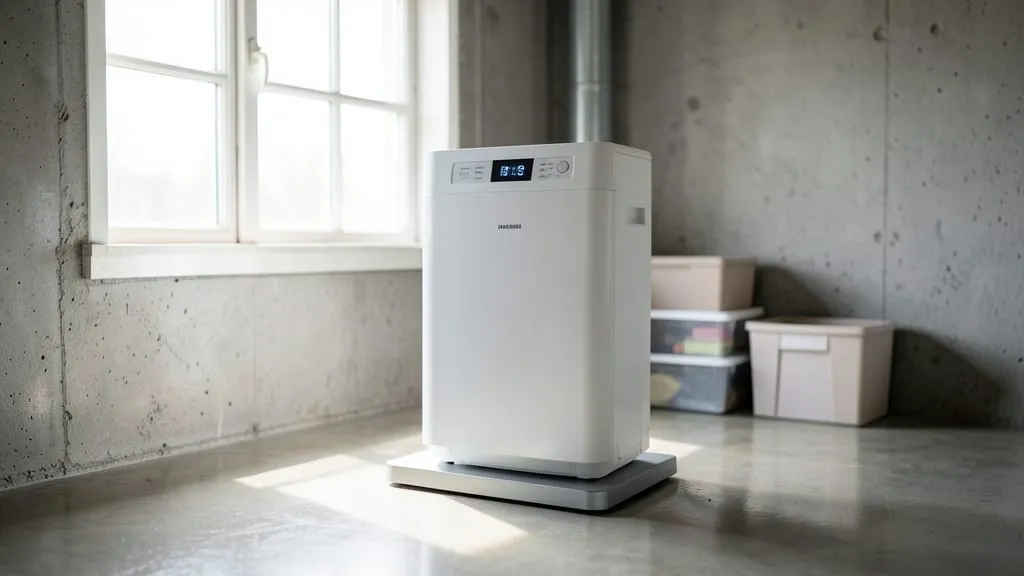
Long-term prevention is key. In Glen Mills’ humid climate, we recommend dehumidifiers in basements, proper grading to divert water away from foundations, and regular HVAC maintenance to prevent mold regrowth.
How to Respond to a Tenant’s Mold Complaint Legally
Follow this process to address mold complaints while minimizing legal risk.
- 1Acknowledge the Complaint in Writing
Send a written response within 24 hours, acknowledging the report and outlining next steps. This creates a paper trail.
- 2Schedule an Inspection
Hire a certified mold inspector to assess the extent and cause. For Glen Mills properties, prioritize local experts familiar with Chester County’s common issues, like basement moisture or attic condensation.
- 3Document Findings and Share with Tenant
Provide the tenant with a copy of the inspection report and a plan for remediation. Transparency reduces the risk of disputes.
- 4Hire a Licensed Remediation Team
For significant mold, use a professional service with experience in rental properties. Ensure they follow IICRC S520 standards for remediation.
- 5Conduct Post-Remediation Verification
Have an independent third party test the air and surfaces to confirm mold levels are safe. Share the results with the tenant.
- 6Address the Root Cause
Fix the underlying issue—whether it’s a leaky pipe in Media, poor drainage in Concordville, or a faulty HVAC system—to prevent recurrence.
Frequently Asked Questions
Can a tenant break their lease due to mold in Glen Mills?
Yes, if the mold makes the unit uninhabitable and the landlord fails to address it after written notice. Pennsylvania law allows tenants to terminate the lease under these conditions, but they must follow proper legal procedures.
Are landlords required to test for mold before renting a property in Glen Mills?
No, Pennsylvania doesn’t mandate pre-rental mold testing. However, if mold is visible or suspected, landlords have a duty to investigate and remediate. Proactive testing can prevent future liabilities.
What happens if a tenant refuses access for mold remediation?
Landlords must provide reasonable notice (typically 24-48 hours) for access. If the tenant refuses, document the attempt and consult an attorney. In urgent situations, like a water leak in Swarthmore or Chester Heights, you may need to pursue legal access.
Does homeowners insurance cover mold remediation for rental properties?
It depends on the policy. Many standard policies exclude mold, but some offer limited coverage if the mold results from a covered peril (e.g., a burst pipe). Landlords should consider a mold endorsement or a separate pollution liability policy.
Can a landlord be sued for mold exposure in Glen Mills?
Yes. Tenants or visitors can sue for health issues linked to mold exposure if negligence is proven. Landlords may also face claims from adjacent property owners if mold spreads from their rental (e.g., in a multi-unit building in Upland or Trainer).
How often should rental properties in Glen Mills be inspected for mold?
Annually, at minimum. High-risk properties—such as those with basements in Folsom, crawl spaces in Woodlyn, or older HVAC systems in Eddystone—should be inspected every 6 months. Always inspect after water damage or tenant turnover.